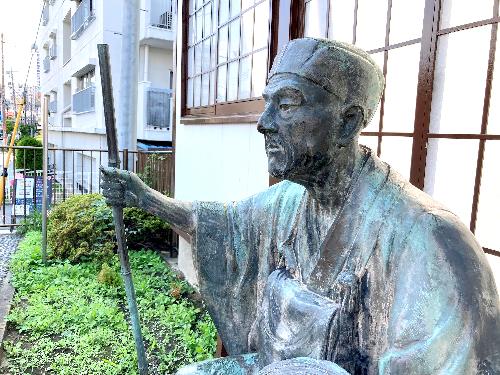
Why not combine a visit to Tokyo’s historic cityscape with a ‘trip down memory lane’ in search of the origins of haiku, one of the most celebrated genres in all Japanese literature!
Basho Matsuo, a poet much loved by the Japanese, also has an enormous following overseas because of his unique and beautiful writing style. He travelled all over Japan in search of creative material, but he and his disciples were based right here in Fukagawa; there are historic sites related to Basho scattered all throughout the city, blending discreetly into their surroundings. To stumble across one of them is to discover a hidden treasure!

The following walking tour will take you right the way through the old town of Fukagawa – following in the footsteps of both Basho Matsuo himself and also the ordinary people of Tokyo.

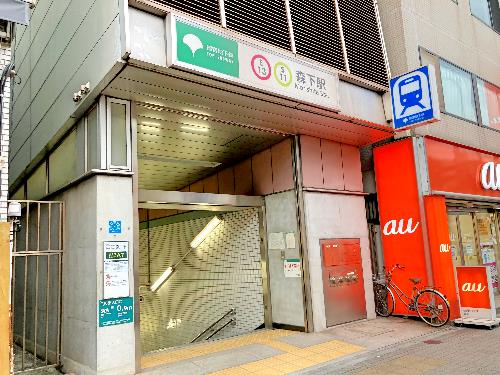
This is the starting point. Morishita Station is not a big one, but there are several convenience stores and bakeries near the exit, just in case you need anything to eat or drink before you begin your walk.

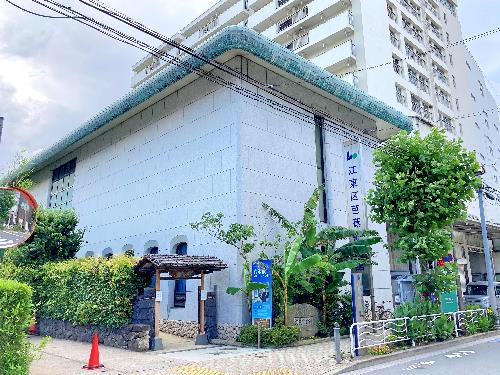
This, as its name suggests, is a small museum devoted to Matsuo Basho. The exhibits are mainly panels that explain Basho’s career in an easy-to-understand manner, and kimonos and paintings that evoke what life in his time must have been like.
The exhibit captions are in Japanese only, but you can listen to the English audio guide by scanning the QR code. [Ask one of the helpful attendants to assist you!]

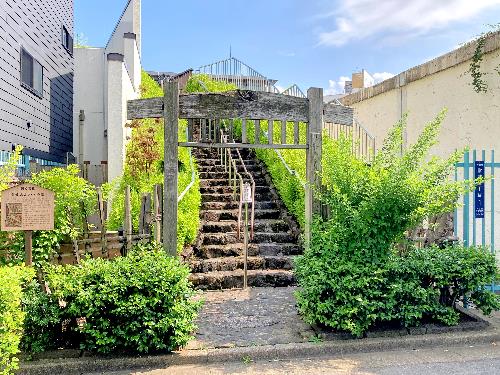
There’s an exquisite little Japanese garden in front of the entrance, and if you climb the narrow footpath, you will reach the Miniature Bashoan (the hut where Basho lived). If you don’t want to pay to go into the museum, admission to this garden is a free of charge.

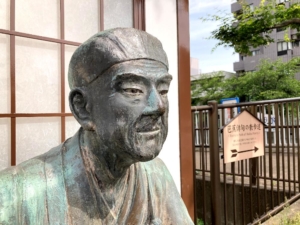
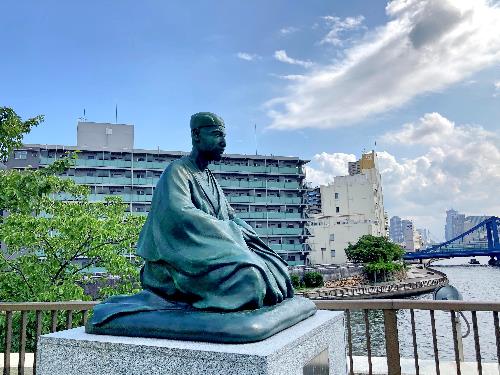
Just along the banks of the Sumida River, one of the typical rivers of Tokyo, a bronze bass relief statue of Basho is to be found.

It’s right at the point where the Sumida River meets one of its tributaries, so you can enjoy a panoramic view of the buildings of Tokyo set against the background of the flowing waters.

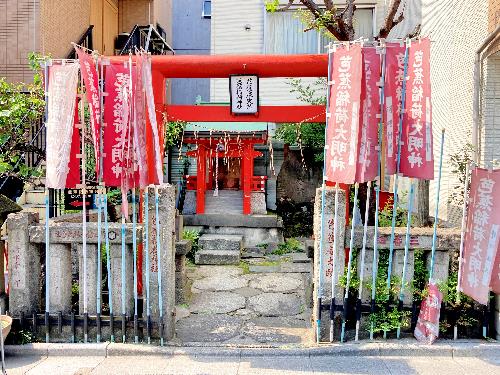
This small shrine features a monument to Basho. After the great flood of 1947, a figurine of Basho’s favorite stone frog was discovered here, which prompted to local people to build the shrine.

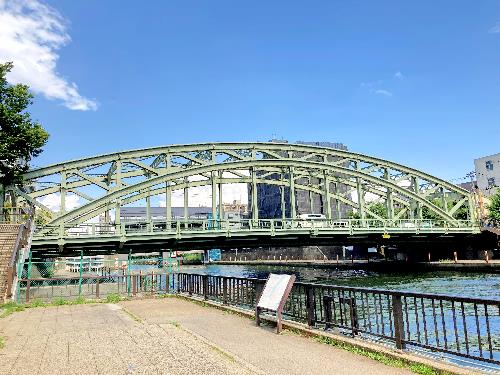
The perfect curve of the “Mannen Bridge” has been immortalized in the drawings of Hiroshige Utagawa and Hokusai Katsushika, both leading exponents of the classic Japanese ukiyo-e painting technique.

Nowadays it’s a steel construction, but it was a wooden bridge in their time – and back then it afforded a view Mt. Fuji in the distance. Sadly this is now obscured by the adjacent highway and tall buildings.

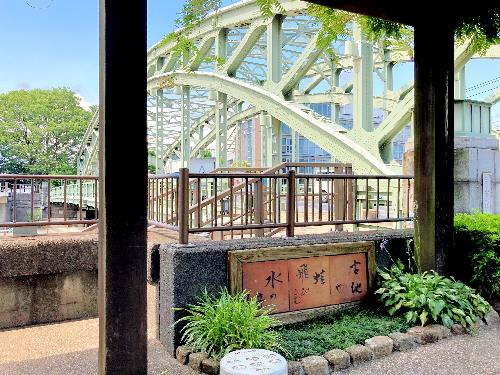
And there’s a resting place on the far side of the bridge, where you can pause to admire another monument to Basho – complete with the words of his famous haiku.

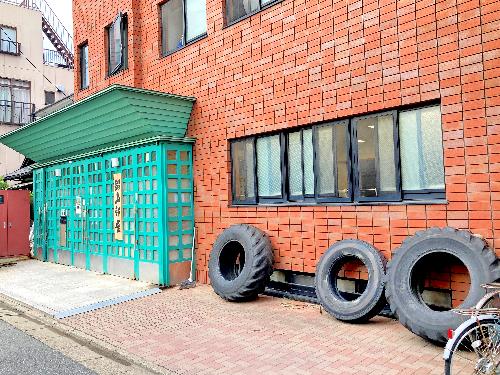
I’m sure you’re familiar with the Japanese national sport of sumo wrestling! This area is notable for having many ‘sumo stables’, where the wrestlers train every day. With a bit of luck, you might even catch a glimpse of one of the real wrestlers with your own eyes!

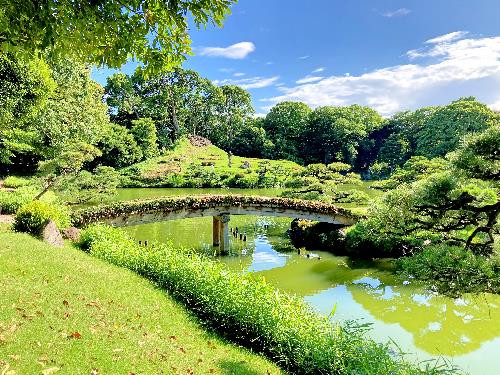
This beautiful garden is one of the most popular tourist attractions in the Fukagawa area. It was originally purchased by Yataro Iwasaki, the founder of Mitsubishi, one of Japan’s three major conglomerates, as a place where he could entertain important guests. The large pond and manicured lawns provide a calm space that you could scarcely imagine as being in the heart of a big city.

It contains a stone monument carved with Basho’s famous Haiku; it’s tucked away right at the point farthest from the entrance, so make sure you don’t miss it as you’re strolling through!

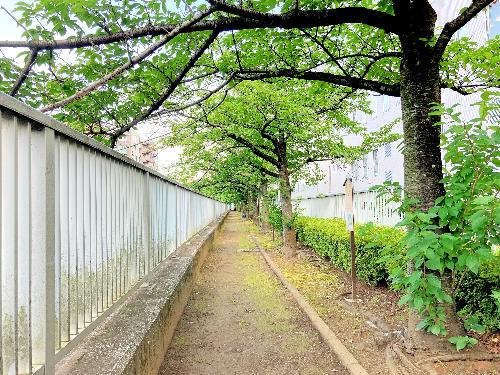
This walk is a narrow path lined with cherry blossom trees, complete with a sign inscribed with Basho’s famous haiku; you can almost imagine yourself to be the great haiku master!

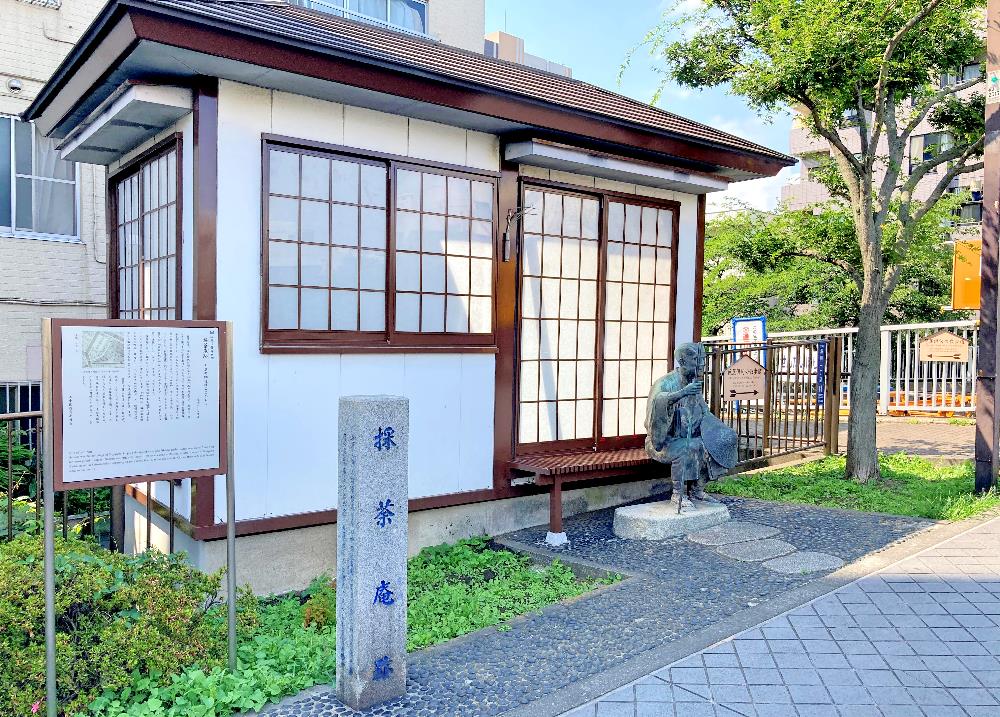
Here’s a perfect photo opportunity – standing beside a statue of Basho, sitting on the porch of his hut all dressed up in his travelling clothes and ready to go! This little dwelling originally belonged to Sugiyama Sanpuu, who was both Basho’s student and also his patron – but Basho himself lived there for a while too.

And it was from here, when he was 46 years old, that Basho and his disciples embarked on their epic 2,400-kilometer journey, “Oku no Hosomichi (the Narrow Road to the Deep North).”
This place marks the end of our excursion. Many fashionable shops have opened up for business here, and it’s extremely popular with young Japanese people. There are numerous cafes and bakeries and other eateries, so it’s a perfect place to take a break and enjoy a delicious bite to eat!
This walking excursion is well ‘off the beaten track’ compared with most tourist destinations. It’s perfect for those who want to experience the true charm of Japan and learn more about Japanese literature and culture, especially the revered Basho Matsuo.
And it’s all located in the midst of an ordinary residential area, so it will also give you a genuine feel for the life of real Tokyoites!