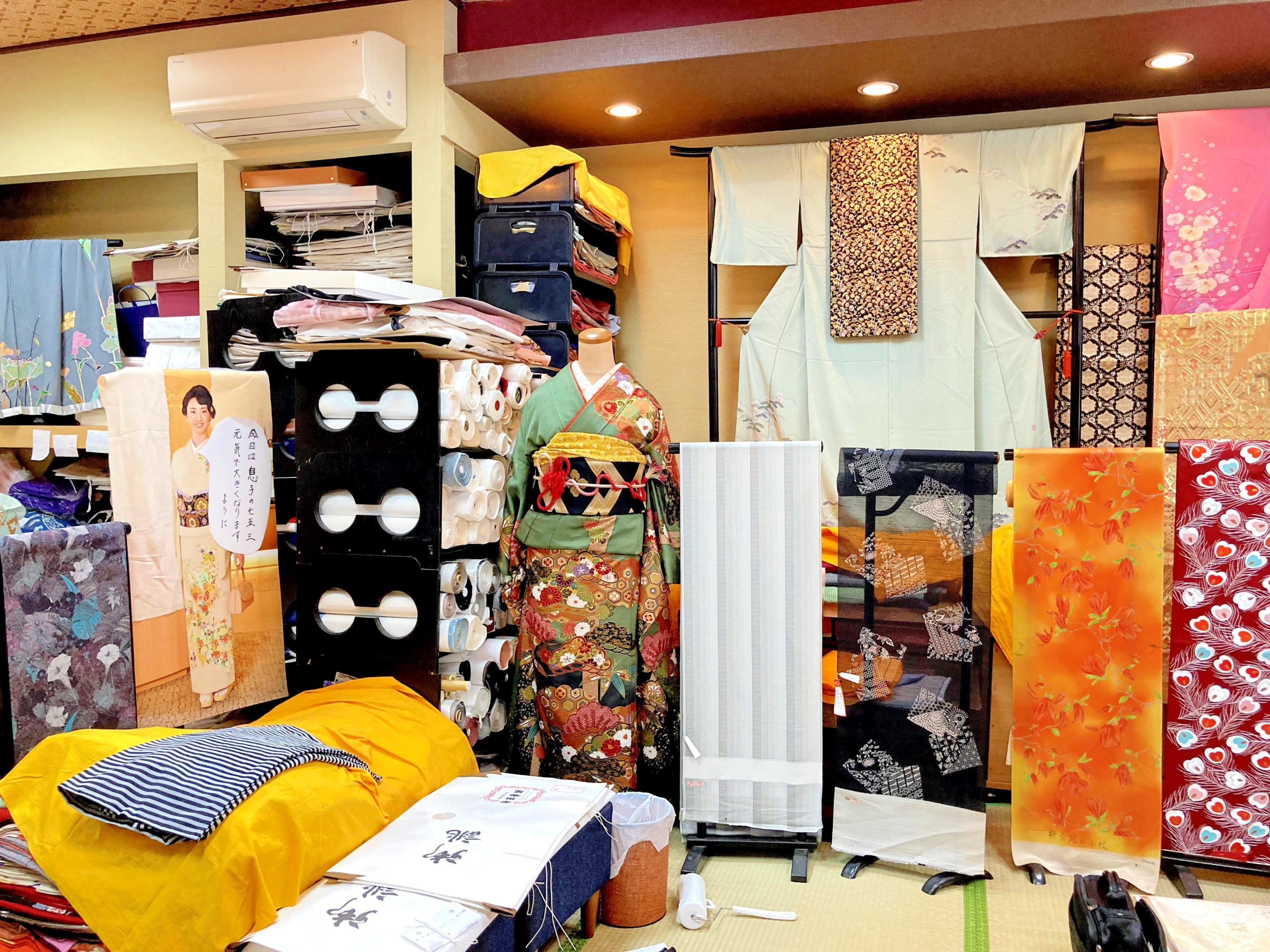
Have you ever laid eyes on a traditional Japanese costume – a real kimono? About a two minute walk from the Fukagawa Edo Museum is just the place for you to lose yourself in admiration for the beautiful Japanese kimono culture.
As the Japanese way of life has become more westernized, kimonos are seldom worn any longer on a daily basis. A busy city lifestyle leaves little time for the complicated Japanese traditional costume. This might explain why the number of Kimono stores has decreased so dramatically.

But the kimono is so gorgeous and eye-catching that some people do still wear it to celebrate major milestones in their lives, such as coming-of-age ceremonies or weddings.
And right in the heart of the Fukagawa area, there’s one outlet that does still sell the original kimono! It’s called Tamaki-ya.
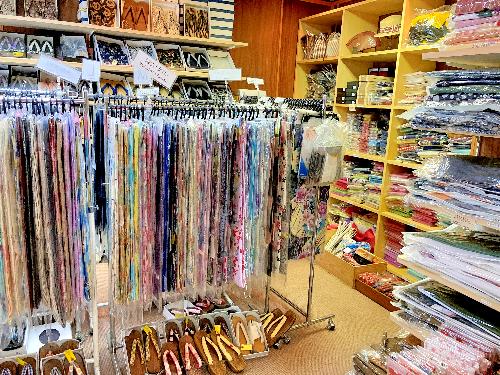
This is the place to go to see all the various types of traditional Japanese costumes, from very high quality kimonos made from expensive luxury fabrics to the cheaper and more casual yukata.

There is also a fitting room at the back of the store where expert assistance is provided for those people who might only want to wear a kimono for ‘special occasions’ but are unfamiliar with the correct way to put it on.
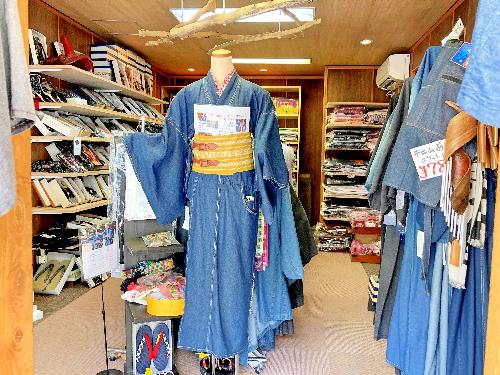
A recent new trend – believe it or not! – is denim kimonos! Yes, denim! They can be worn as casual attire along with T-shirts and jeans. They retail at around 7,000 to 13,000 yen – quite a ‘snip’ compared with conventional kimonos which go for in excess of 100,000 yen!
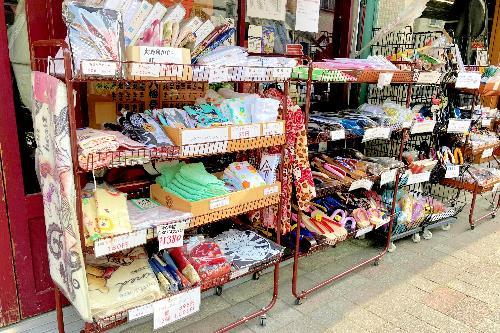
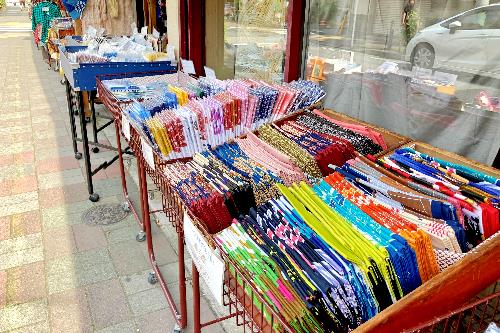
At the stall outside, you can purchase many products that make perfect souvenirs, such as Japanese towels called “tenugui”, cushion covers made of genuine kimono material, and Japanese sandals [“geta”]. The price can be as little as 200-300 yen, and these items are not bulky, so they won’t take up a lot of room in your suitcase!
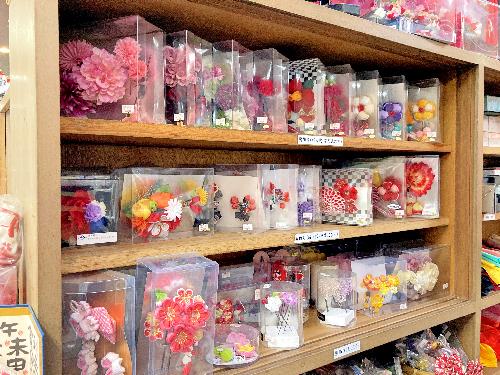
My personal recommendation would be a Japanese hair accessory to wear along with your beautiful Kimono.
So this is also just the place to find that ‘little something’ for your family, your friends and your loved ones – and for yourself too, to remember your stay in Japan!
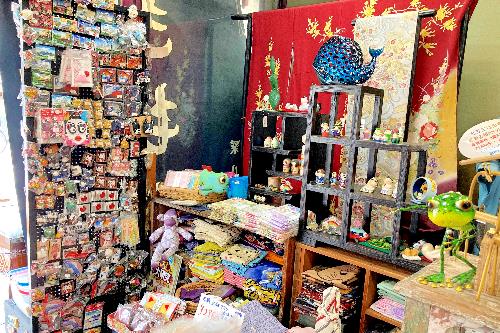
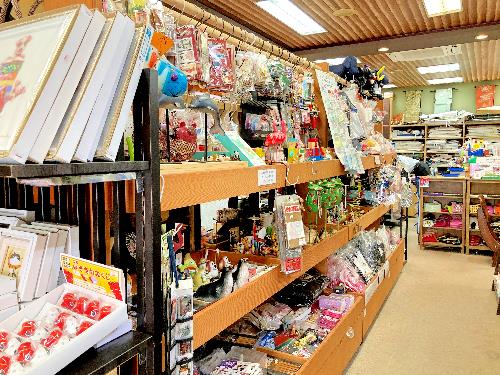
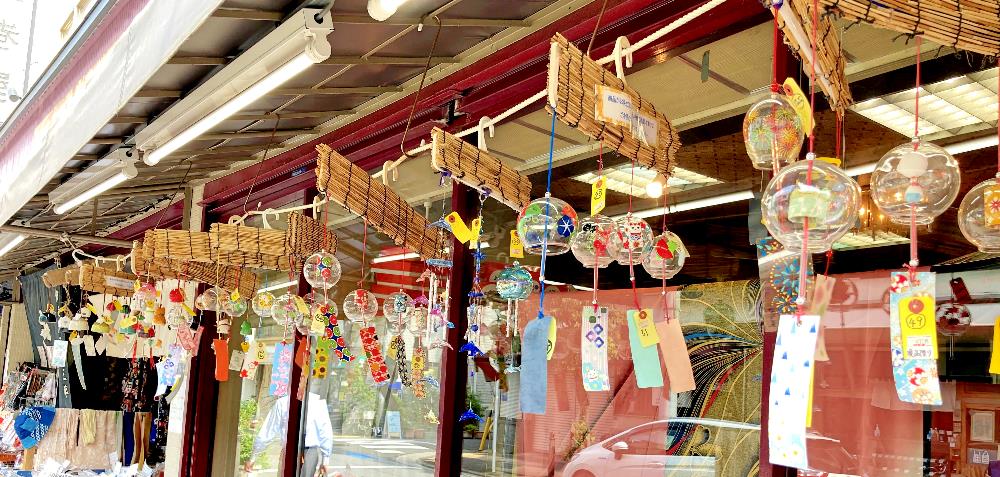
Another good suggestion is a set of wind chimes, which we like to hang under the eaves of our houses during the summer months. They were invented by the ingenious old Japanese people of years gone by, to help survive the hot weather by listening to their tinkling sound, which reminds you of a cool mountain stream….