
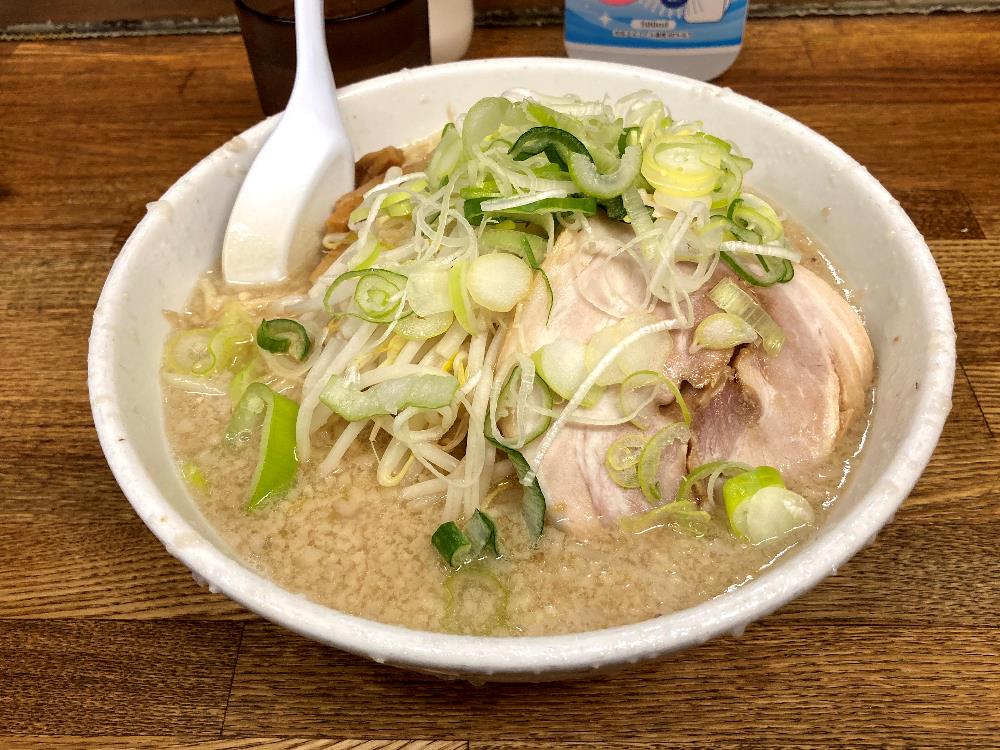
Have you ever eaten truly authentic Japanese ramen?
Ramen is one of the most popular of Japanese dishes, and you can find ramen restaurants in many cities all around the globe. I myself have eaten it many times when I was abroad. But it’s an indisputable fact that the ramen you’ll eat in Japan is the best in the world.
So – which ramen is the most delicious of all?
You may well ask! It’s a vexed question; some like their ramen rich and heavy, others light and ‘easy-to-eat’.

Before you decide, here’s ‘everything you need to know about ramen’ – all the different types and their characteristics – as you go out to taste it in the many superb ramen restaurants of Japan.
The way to distinguish between the various types of ramen is by the different tastes of the soup and different styles in which it’s prepared.
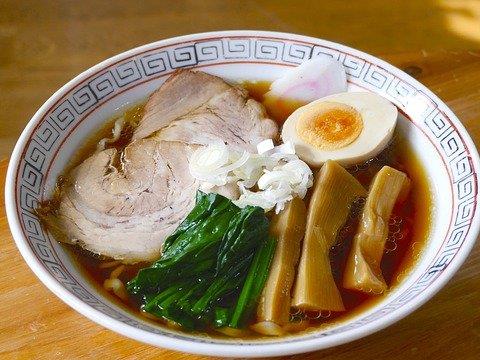
Shoyu Ramen (Soy-sauce Ramen)
This is the most basic type of ramen – ‘ramen 101’. Its signature flavor is simple soy sauce, and because of this very simplicity, many restaurants are most particular about the quality of the ingredients they use in its preparation.
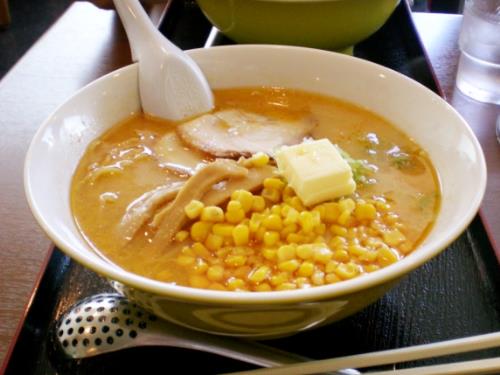
Miso Ramen (Miso Ramen)
Miso ramen is very popular in the Hokkaido area. It features a strong soup based on miso, a traditional Japanese seasoning. Some people add butter and corn toppings for extra sweetness, while others eat it accompanied by rice.
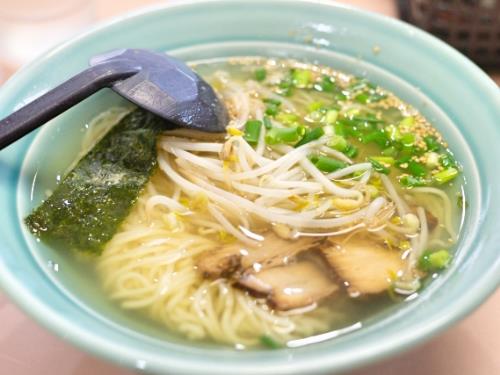
Shio Ramen (Salt Ramen)
This light-tasting salt ramen is much appreciated by women and others who are ‘watching their figure’! It’s also highly recommended as an accompaniment to alcohol. It often contains seafood ingredients, combined with a seafood stock soup.
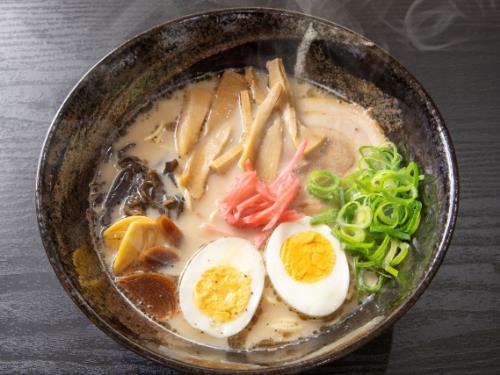
Tonkotsu Ramen (Pork Bone Ramen)
Originating in the southernmost part of Honshu, the Kyushu region, this ramen is now becoming much more widely known. It’s beautifully rich, with a robust taste and aroma, and is much enjoyed by young people, especially men. Common toppings include vegetables and garlic, which can be individually ordered by customers according to taste.
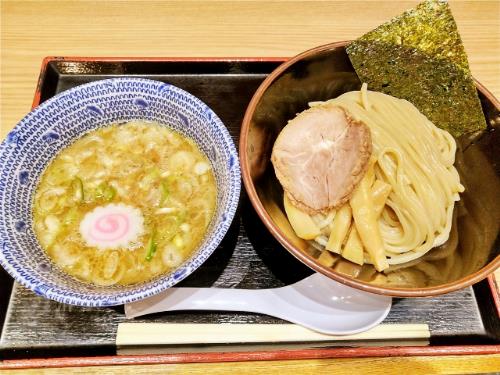
Tsuke-men (Dipping Ramen)
Tsukemen is served with a separate plate of noodles and a succulent thick soup. The noodles are served cold but the soup is hot. It is best enjoyed by taking the noodles a little at a time and dipping them in the soup – it’s a ‘dipping ramen’, the height of decadence! Many stores use thick noodles, which take some time to boil – but it’s worth the wait! And in order not to waste any of this wonderful dish, why not add a little hot water to the remaining soup at the end….
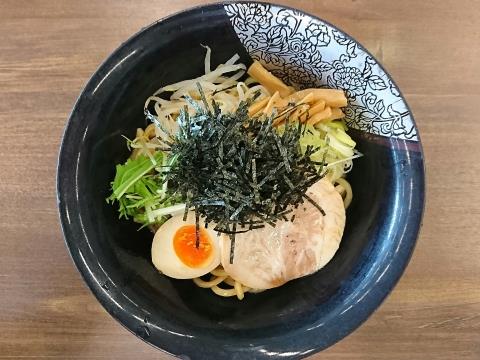
Abura-soba (Oiled Ramen)
Abura is an oil, but this lovely ramen is by no stretch of the imagination heavy or greasy. This is a soup-free ramen that is eaten by winding your noodles round and round in a concentrated sauce. And you can ‘build your own sauce’ by adding different spices according to your liking; vinegar, chili oil, garlic, gochujang, and much more! They are all there, lined up on the table – ‘a little bit of this, a little bit of that, a dash of something else’ – meshiagare – bon appétit !
So many ramens – so little time! And now that you know the difference, you are a true ‘ramen connoisseur.’
Ramen is highly representative of Japanese cuisine, and is a time honoured tradition. There are countless Japanese ramen restaurants, each one unique in its own special way – why not sample them all!