If you come to Japan, the chances are you’ll visit some of the shrines and temples at least once. Both Shinto and Buddhism are indigenous religions of Japan, and places of worship devoted to them are ubiquitous in the city. Visitors are warmly welcomed, even if they are ‘non believers’ – but make sure you avoid any inadvertently disrespectful behavour, or you risk upsetting not only the local people but also the gods!

Here follows an explanation of the difference between temples and shrines and the conduct appropriate within their precincts – including a few ‘unwritten rules’ that foreigners may not be familiar with!
What is a shrine?
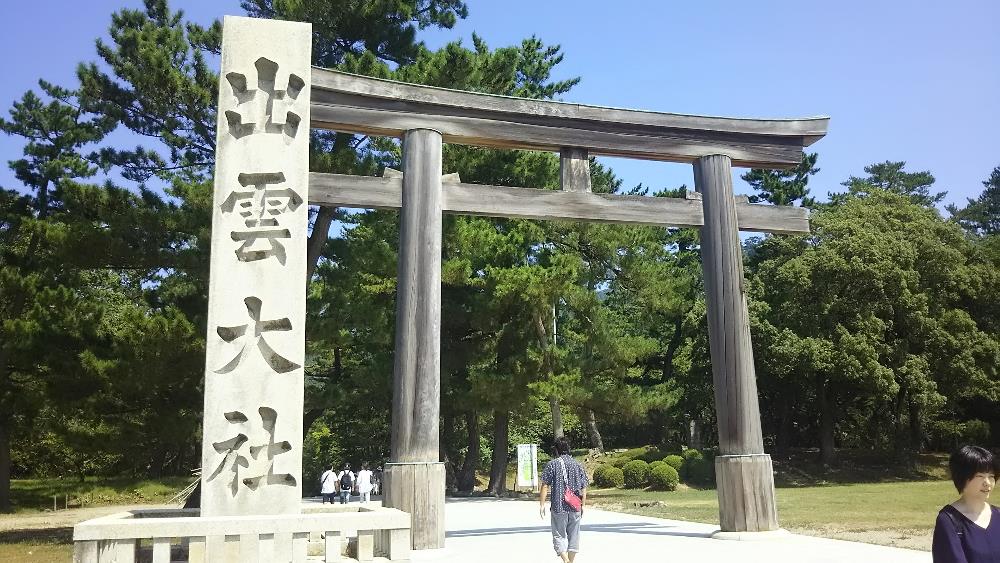
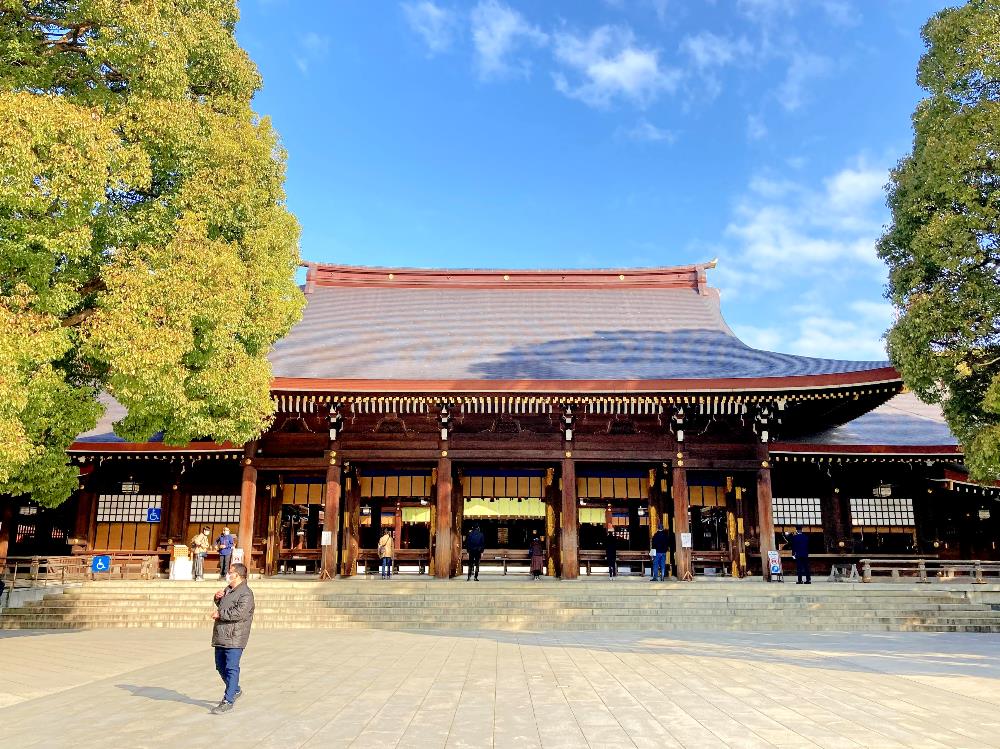
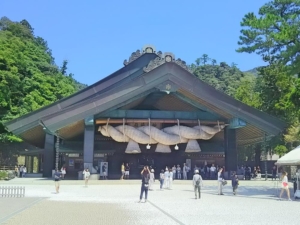
The shrine is a place of worship for “Shinto”, the original folk religion of Japan, in which nature, the ancient gods, and the imperial family are held to be sacred.

Unlike Buddhism, it has no gurus or scriptures, and statues and images are not objects of worship. There are no graves and no funerals because death is considered to be taboo. The priests and shrine maidens who officiate perform “rituals” which serve to connect the people to the gods.
What is a temple?
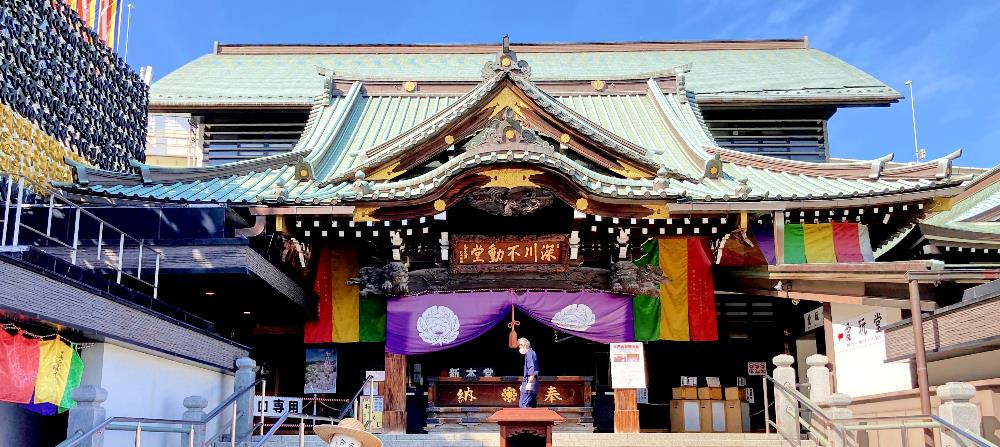
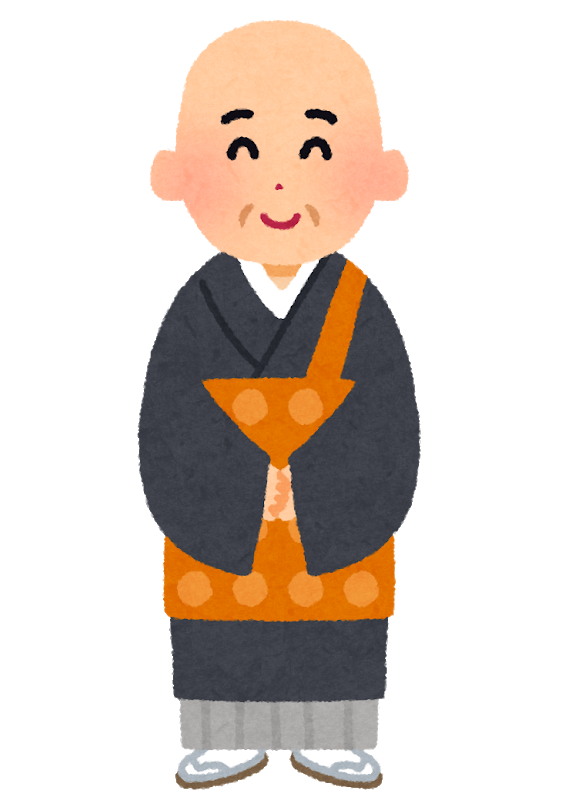
A temple is a Buddhist place of worship, where monks and nuns live, meditate and pray. In the main building are to be found Buddhist statues and mandalas called “honzon”, which are objects of veneration. Some temples are the repositories of cultural treasures such as Buddhist statues and hanging scrolls.
Traditionally, temples were at the epicenter of religious life, places of education where the teachings of Buddha were propounded and where the welfare of the people was taken care of. Today, they are burial places visited on the occasion of funerals, and have also become tourist attractions.
Worship procedure at shrines
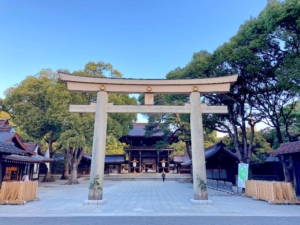
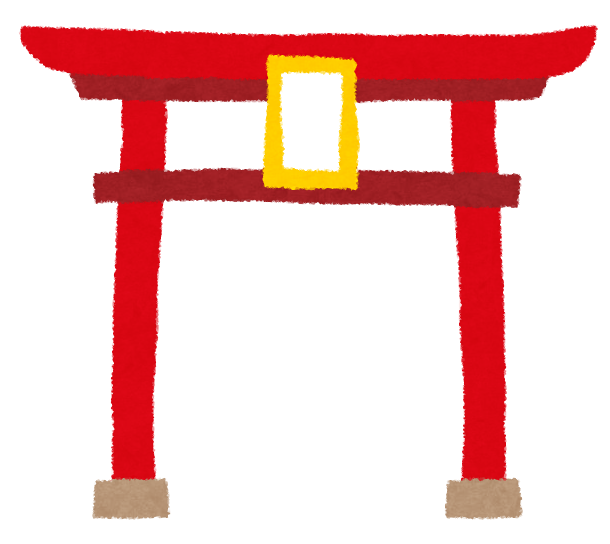
Bow as you first enter the sacred area through the torii (red gate)
walk around the edges of the approach; the direct way down the middle is ‘the path of God’!
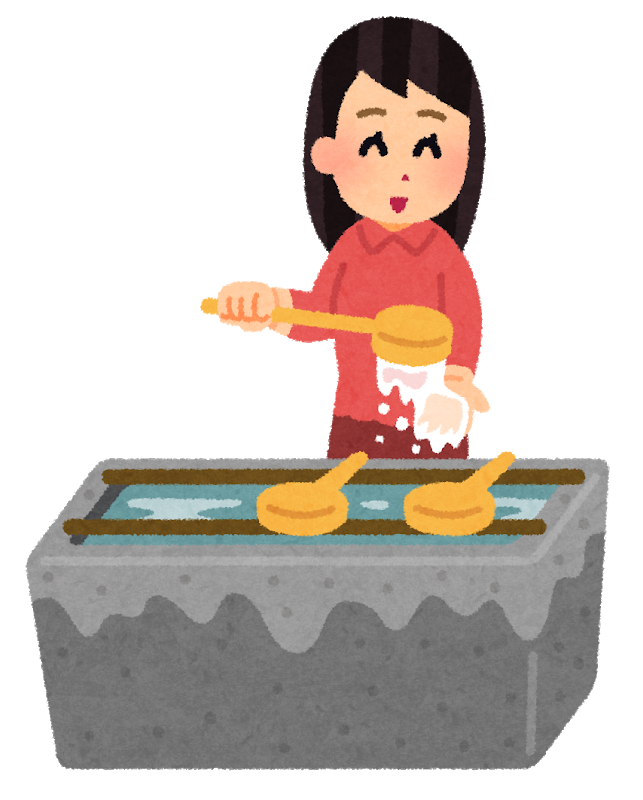
Wash your hands and rinse out your mouth with water at the “chozuya (purification trough)”. Pour water into your cupped hands and carry it to your mouth, so as to avoid placing your lips directly onto the font. And be sure not to drink!
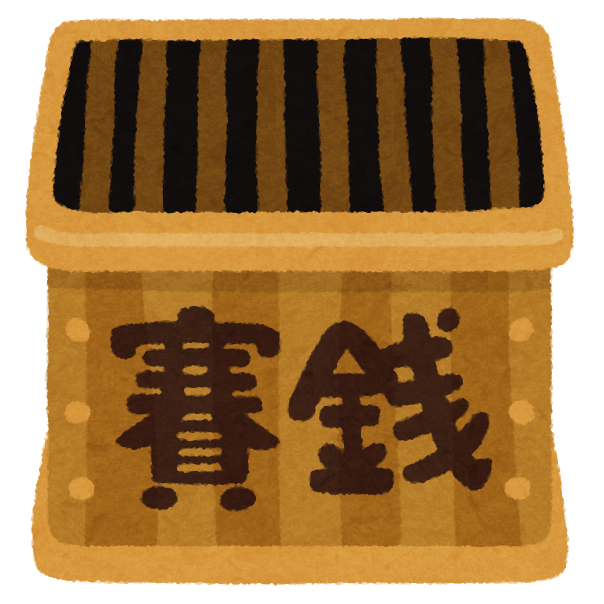
Throw some money into the offertory box (the amount is not fixed; donations of anything from 5 to 500 yen are acceptable)
If there is a bell, ring it by pulling the bell rope.
Bow twice.
Clap twice with your hands in front of your chest and make wish. You should make a mental note of your name and address, where you want the wish to come true, when you do this!

Bow in gratitude.
Bow again as you return through the torii gate.
Visiting a shrine is a process of self-purification – of “cleansing away the dross of this world and expressing a change of heart”. Materialistic wishes such as “I want more money” somewhat defeat the object of the exercise!
Worship procedure in the temple

Make a bow in front of the gate using the gassho gesture – place your palms together in front of your chest.
When passing through the gate, do not stand on the threshold – step over it! Be mindful that you are crossing the boundary between the temporal and the spiritual!
Wash your hands and rinse out your mouth with water at the “chozuya (purification trough)”, observing exactly the same procedures as previously described when visiting a shrine.
Throw some money into the offertory box, just as you would at a shrine.
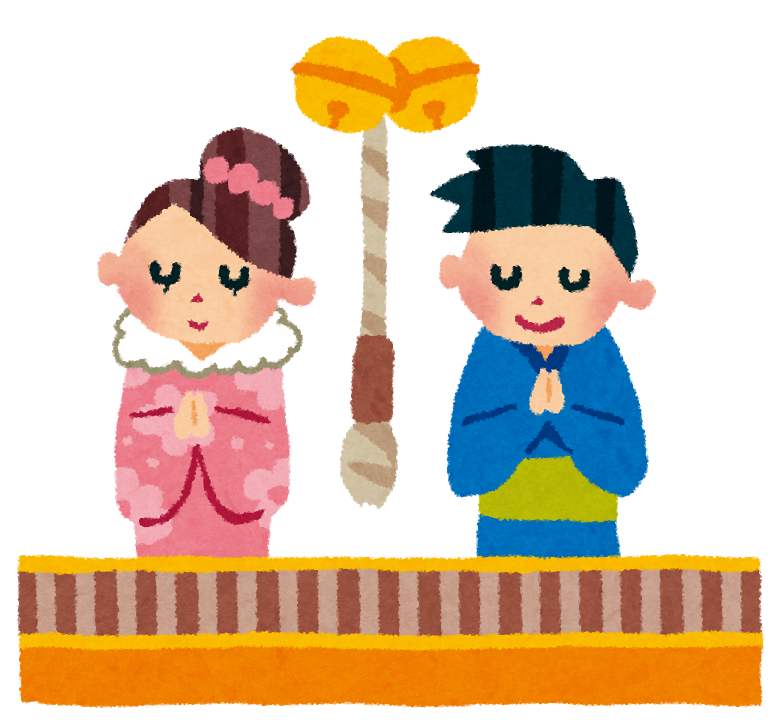
Bow with your hands together in front of your chest and make wish.
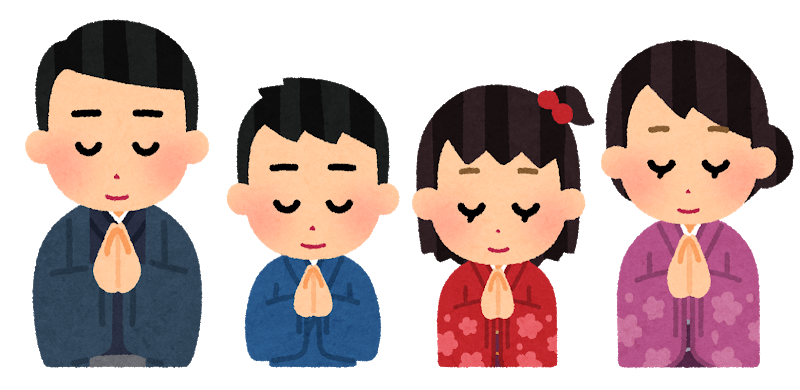
Bow again.
As you leave the temple, give another bow in front of the mountain gate.
Buddhism aims to release us from the cycle of reincarnation, which is seen as temporary and full of suffering. We can escape from it or be ‘liberated’ by means of righteous thoughts and actions – trying to make this world, and the afterlife, a better place. Here in the temple, self-seeking wishes to “make my dream come true” should be subsumed into an altruistic vow to “do the right thing”.