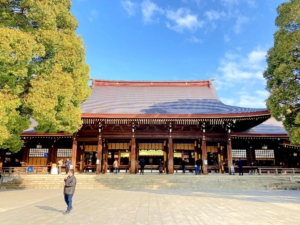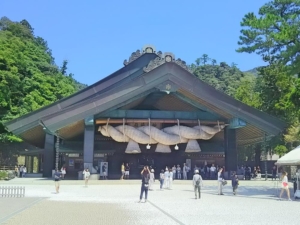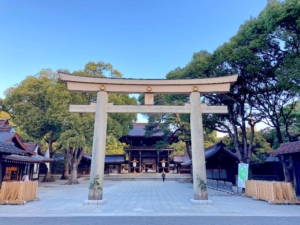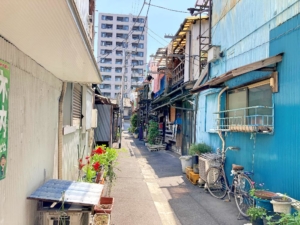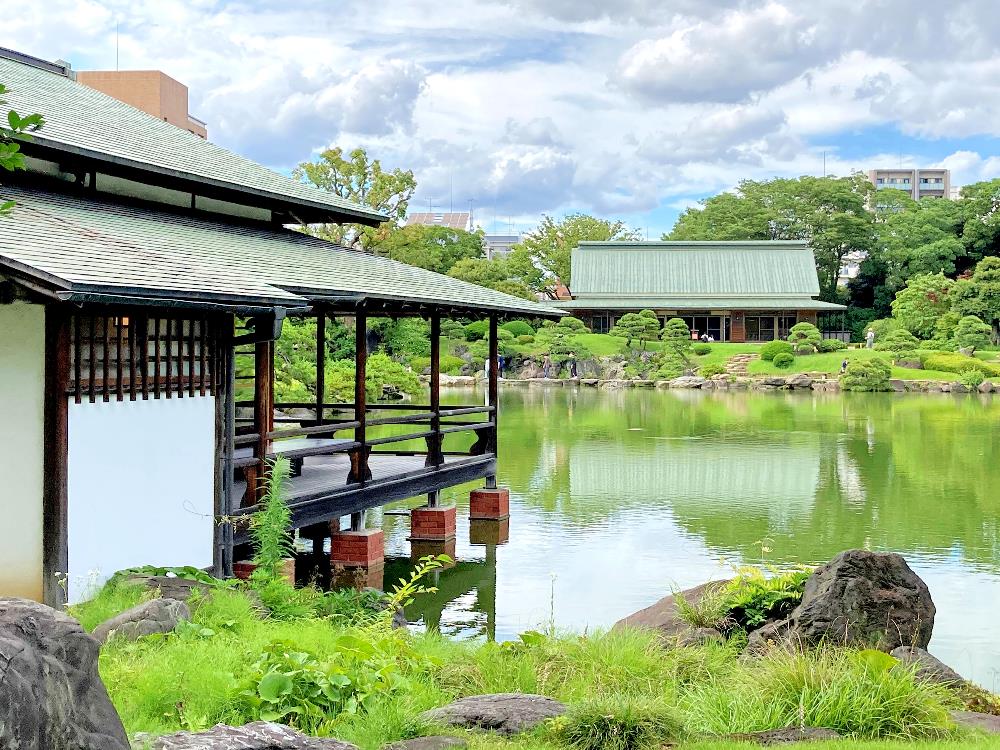
Japanese culture is unlike any other in the world. You can learn a great deal about it by simply taking a walk! You can visit shrines and temples, for example, or experience in the distinctive pop culture of the shops and cafes at the center of Akihabara. But the most amazing discovery of all comes when you interrelate with the Japanese people themselves and come face to face with their very special way of thinking and ‘seeing the world’.
Here is a brief introduction to some of these unique thoughts and customs; it will richly repay you to know all about them in advance, before you come to Japan.
The Japanese thrive on ambiguity!

The Japanese have a word for this – “Kuki o yomu” 空気を読む– “to read the air”). You need to literally ‘read’ the social atmosphere; to guess what the other person might be thinking, and only then speak or act accordingly.
Unlike in Europe and the United States, where self-assertion predominates, Japanese people have been brought up to work together in harmony with their surroundings, so they are not very adept at expressing their personal preferences and opinions. You might label the Japanese as ‘inscrutable’ – using vague expressions so it’s hard to guess what they’re thinking; this is simply an inevitable cultural difference.
As previously mentioned, the Japanese language tends to reflect this ambivalence. Simple words such as “I’m okay” and “I’m sorry” conceal a multitude of nuances and shades of meaning, depending on the context in which they are used. Of course the problem with such equivocation is that your words are always open to interpretation; in Japan, we prefer compromise and collaboration to ‘directness’, confrontation and conflict.
So if you don’t understand what someone else is really driving at, don’t be afraid to come out with it and just ask them – “What do you mean?”
Many Japanese people are themselves not all that good at ‘reading the air’, so you need not be in any way ashamed if you, a foreigner, can’t do it either! The most important thing is to avoid misunderstandings.
“Ladies First”; the status of women in Japan
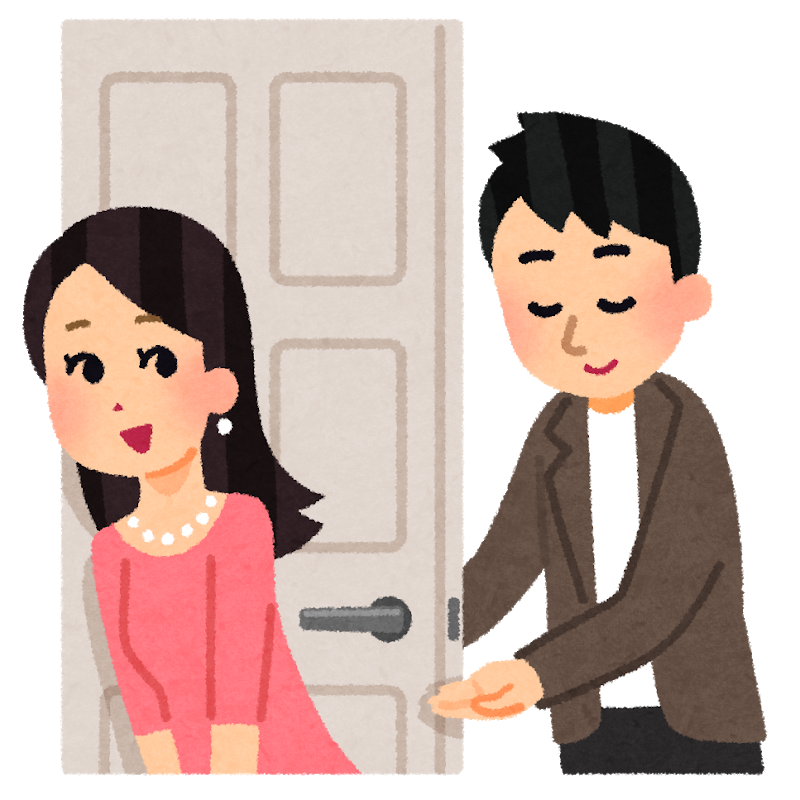
In some Western countries, “Ladies First” is recognized as a matter of common courtesy – but the concept is rare in Japan. You hardly ever see a Japanese man opening a door for a woman or pulling a chair up for her in a restaurant. Such considerations are directed elsewhere in Japan – towards the elderly and those of higher social status, rather than ‘the fair sex’.
A foreign lady might gain the impression that Japanese men ‘don’t know how to behave’, but this would be a cultural misapprehension. Japan simply lacks the European and American custom of chivalry towards women.
When Japanese women encounter it, they find it confusing; often, they suspect that the man has got an ulterior motive!

As you might observe in Japan, the belief is still prevalent that women should be subservient and ‘walk two paces behind their men’! The ratio of females to males in positions of responsibility in politics and large corporations in Japan is lower than in any other developed country in the world; we are still very much a patriarchal society.
Much as one might wish for gender equality – not to mention a ‘ladies first’ attitude! – this is unlikely to happen here any time soon.
High security in Japan

Japan’s levels of security are among the highest in the world. Because of this security consciousness, you’ll witness things that would be utterly beyond belief in the West; small children walking unescorted down the road to school, passengers unconcernedly falling asleep on trains and buses, a drunken businessman snoring away alone on a railway station bench after a night ‘out on the tiles’.
There are several obvious reasons for this.
First, a sense of right and wrong – and the habit of self control – has been inculcated into all Japanese from a tender age. Secondly, there is a very strong and visible police presence in the cities of Japan. Thirdly, crime does not pay in Japan! If you break the law, you will be apprehended, and the penalties are severe – not to mention the criminal record that will remain for the rest of your life, affecting your employment prospects and even your eligibility for marriage!
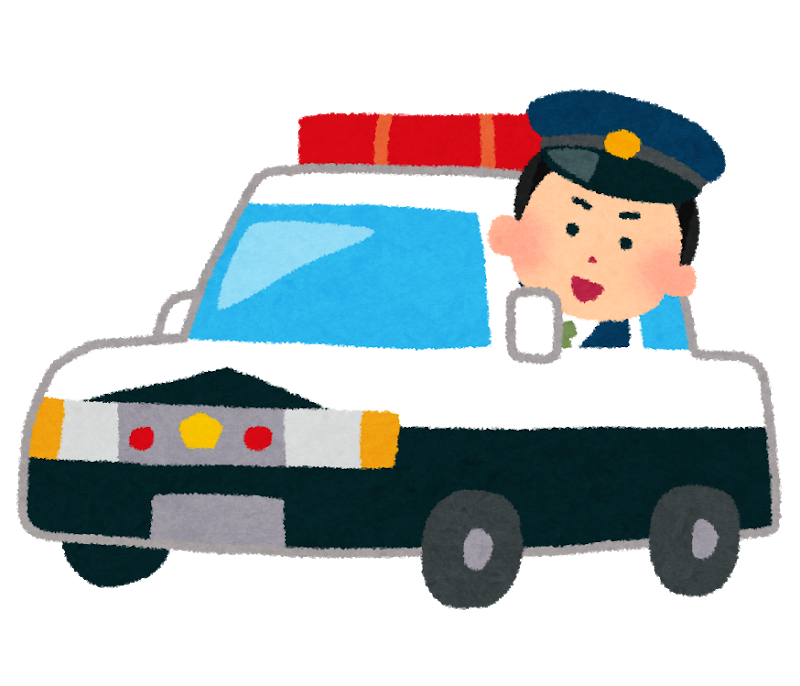
All these considerations form a very real deterrent to crime. Good security is proportional to the maturity of any society, and the fact that we can live our lives with peace of mind under the rule of law is demonstrable proof of this in Japan. This is especially true of travelling; here all fear of falling victim to crime has been removed and you can simply relax and ‘enjoy your trip’!
Sometimes things that are commonplace in your own country are inconceivable elsewhere in the world. Knowing and enjoying the difference will enhance the pleasure of your stay in Japan.

There are undoubtedly many other Japanese characteristics that, whilst unremarkable to us, will astonish you as a visiting foreigner. Your willingness to interact with us is a great opportunity for all concerned to foster mutual understanding…..