
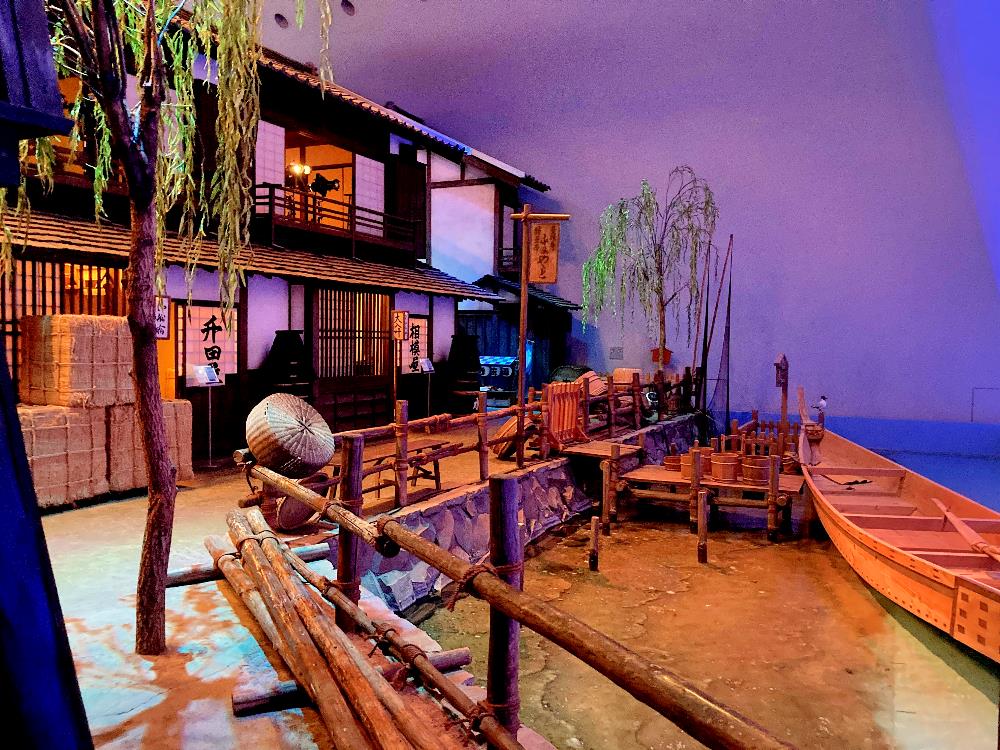
So – how would you like to travel back in time to the samurai era?
The Fukagawa Edo Museum is a full-scale reproduction of the Fukagawa area as it was back in the Edo period, 200 years ago. As you experience for yourself what life really was like for the people of that time, you will become fascinated by the rich cultural heritage of Japan.
Fukagaw Town Scape
It goes without saying that the exhibits are accompanied by English explanations, so foreigners can enjoy them too!
Most tourists have no idea that there is such a wonderful little museum tucked away right in the centre of the city. It’s the perfect place to go to learn all about Japanese history and culture – and to take lots of great pictures!
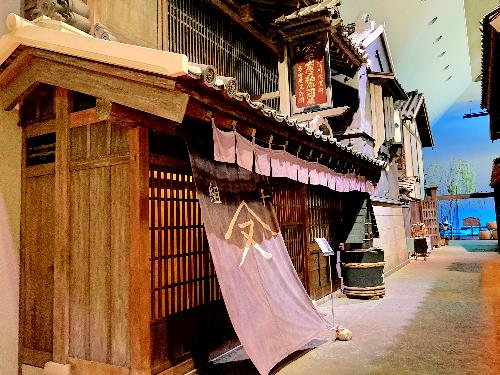
– Main Street –
Fertilizer Wholesaler “Tada-ya”
Large merchant house deals in both dried sardines & oil cake for fertilizer and fish oil for lamp oil.
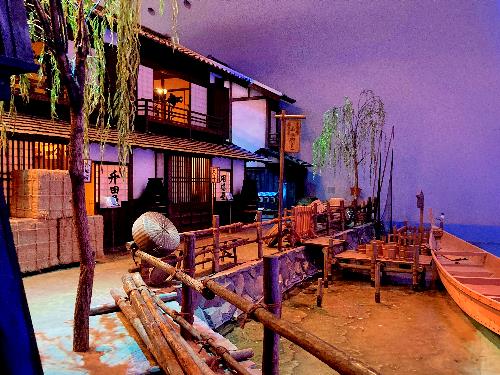
– Canal –
Shipping agents “Masuda-ya & Sagami-ya”
Boatmen carry people and goods by so called “Choki-bune” or a boat with a wild boar’s tusk-shaped bow.
Two shipping agents also offer light dishes and drinks for a party.
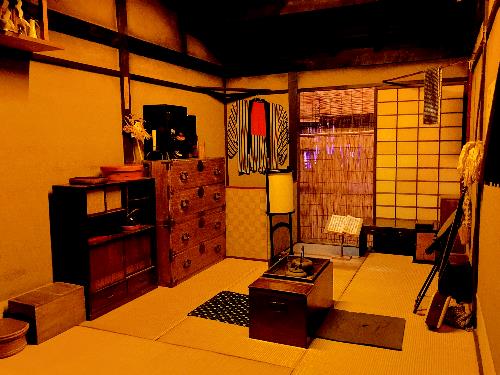
– Row House –
A row house is partitioned only by thin walls for common people to live in. Many people in Edo, the old Tokyo, lived in this type of house.
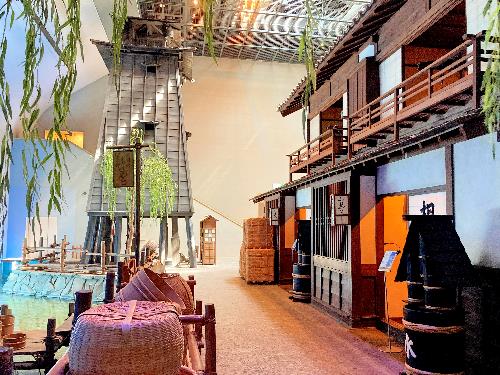
– Fire Watchtower –
The fire watchtower protects the town from a fire. When a fire is found, the alarm bell at the top is rung to call people’s attention.
Sumo Exhibition
The Fukagawa Edo Museum also has a sumo exhibition – the world famous national sport of Japan. There’s a life-sized cut-out of the renowned wrestler Yokozuna Taiho, so why don’t you take a photo of yourself standing by his side? You’ll get a real sense of how truly enormous these sumo wrestlers are!
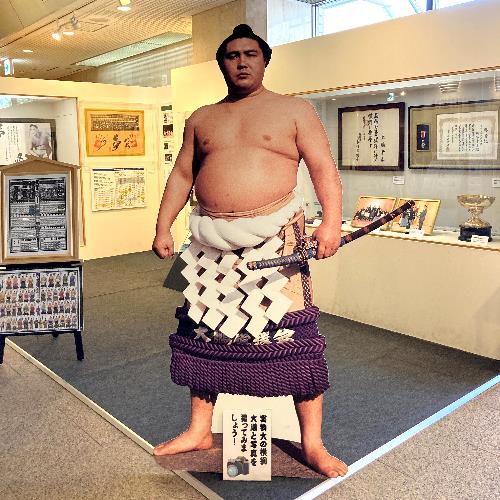
– Taiho –
Taiho was a Japanese professional sumo wrestler. He became the 48th yokozuna, the highest rank in sumo, in 1961 at the age of 21, the youngest ever at the time.
He won 32 tournament championships between 1960 and 1971, a record that was unequalled until 2014. His dominance was such that he won six tournaments in a row on two occasions, and he won 45 consecutive matches between 1968 and 1969.
The Fukagawa area is famous for its many sumo stables, and if you are really lucky, you might even bump into one of the wrestlers walking down the street!
*note: the Japanese word for the sumo training quarters is a heya (部屋) – usually translated into English as ‘stable’
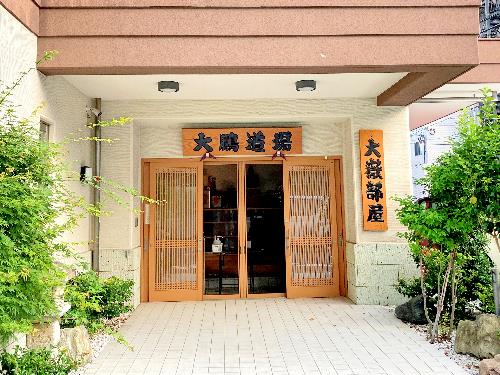
– Sumo-beya (stable) –
In sumo wrestling, a heya is an organization of sumo wrestlers where they train and live. It can also be termed sumo-beya. All wrestlers in professional sumo must belong to one.
Shop
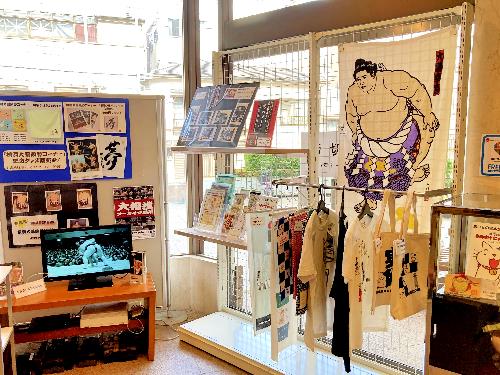
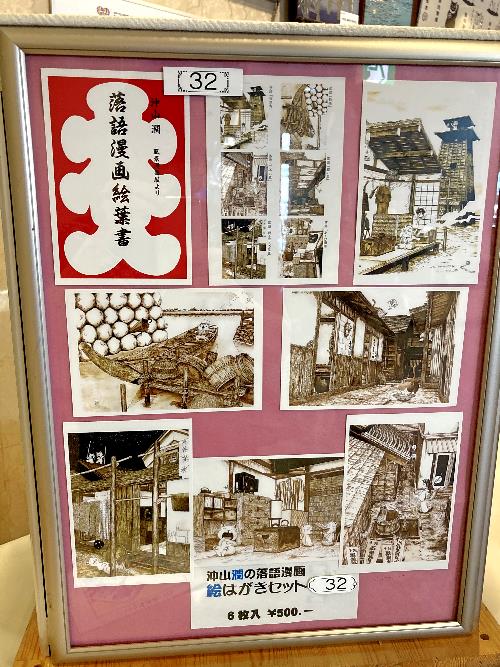
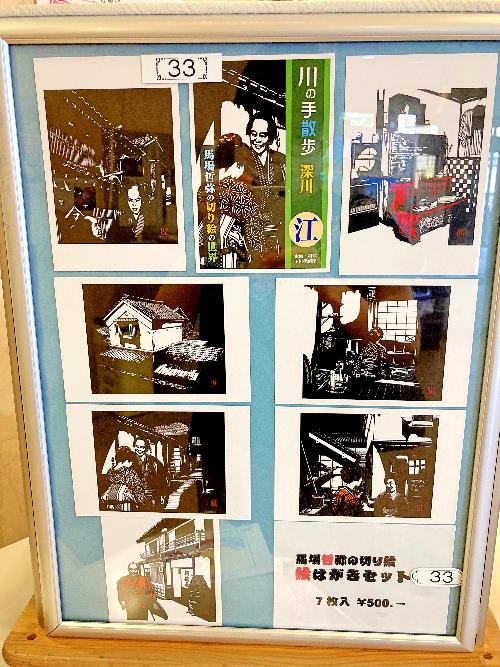
Finally, on your way out there’s a small but well stocked souvenir shop – so you can buy a postcard to send to the folks back home, and a little something to remind you of your visit to the Fukagawa area.
Plan your visit
Admission fees for exhibition room
| Adult (including senior high school student) | 400yen |
| Child (primary/junior high school student) | 50yen |
Opening time
9:00am – 5:00pm
(Entry is not allowed after 4:00pm)
Close days
January 1
Second & fourth Monday (It remains open when it is a national holiday)
Access

- Subway (Toei Oedo line / Tokyo Metoro Hanzomon line) : 4 minutes walk from Kiyosumi-Shirakawa station (E14,Z11) (A3 Exit)
- Bus① : (Toei Bus Route Mon-33) : 3 minute-walk from Kiyosumi-Teien-mae bus stop
- Bus② : (Toei Bus Route Aki-26) : 4 minute-walk from Kiyosumi-Shirakawa- station bus stop
Address : 1-3-28, Shirakawa, Koto-City, Tokyo, Japan 135-0021
Tel : 03-3630-8626
Web site : 深川江戸資料館 | 公益財団法人 江東区文化コミュニティ財団 (kcf.or.jp)