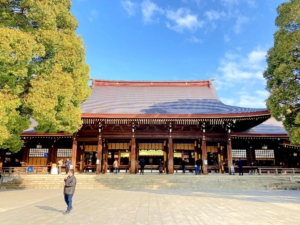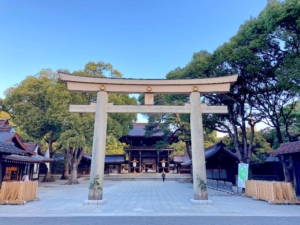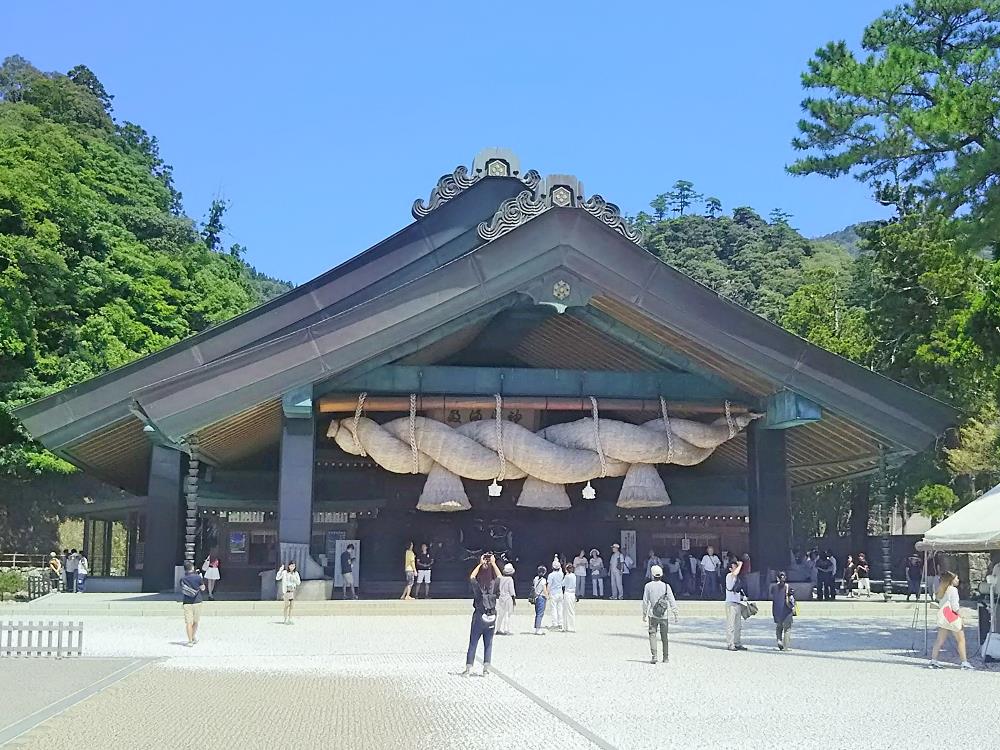
There are a wide variety of religions practiced in Japan. Article 20 of the Constitution of Japan recognizes freedom of religion, allowing everyone to choose to worship in whatever way they want. Shinto and Buddhism are the most prevalent, and many shrines and temples dedicated to them are to be found over the country.
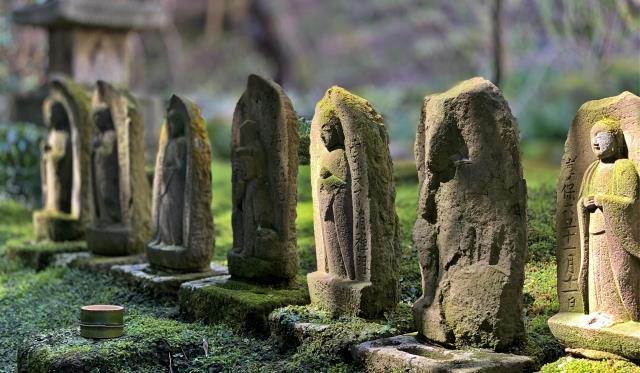
So what is the difference between Shinto and Buddhism? Even some Japanese are not clear about this!
Here follows an easy-to-understand explanation of this rather complex subject.
What is Shinto?
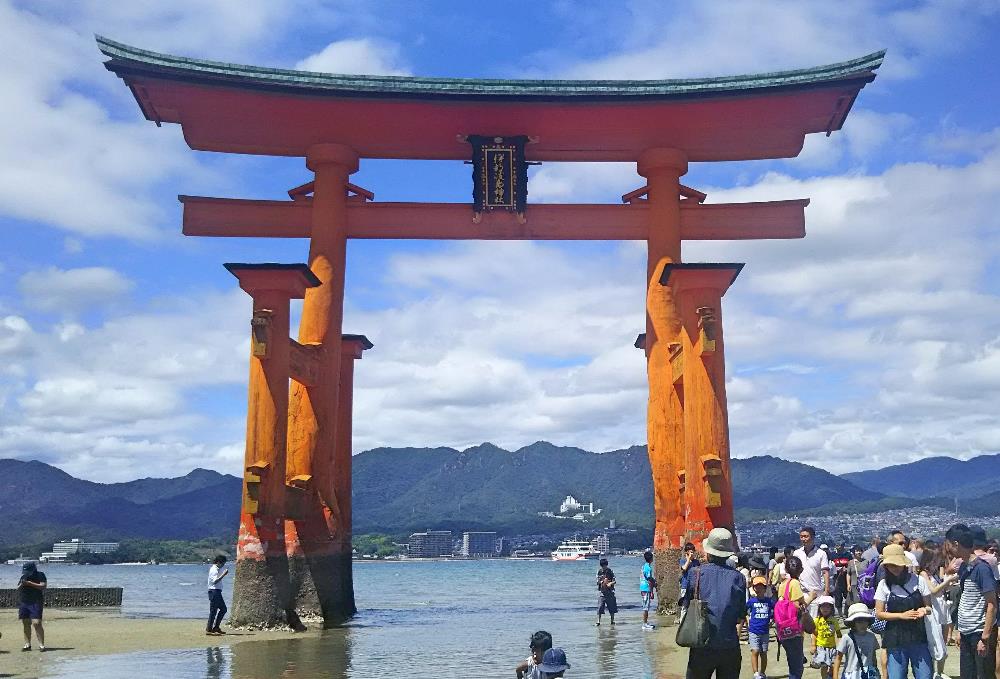
Many Japanese people are deeply religious – but their attitude towards religion might seem to be more ‘matter of fact’ than it is to people from the West. When a Westerner meets God, it’s a ‘big deal’ – God has spoken! But for the Japanese, there’s a little bit of God in everything – rocks, trees, rivers, mountains, waterfalls, animals – and of course in people too! Everything has got a ‘spiritual essence’, called kami (神:かみ) or shin (神:しん) – and so everything in the world must be treated with the utmost respect.

The traditional religion of Japan is Shinto – “way of the gods”. It was first written down in the 8th century but dates back much, much earlier, as an oral tradition. It’s made up of a collection of old myths and folk tales and native beliefs – like the legend of why the sun comes up and goes down.
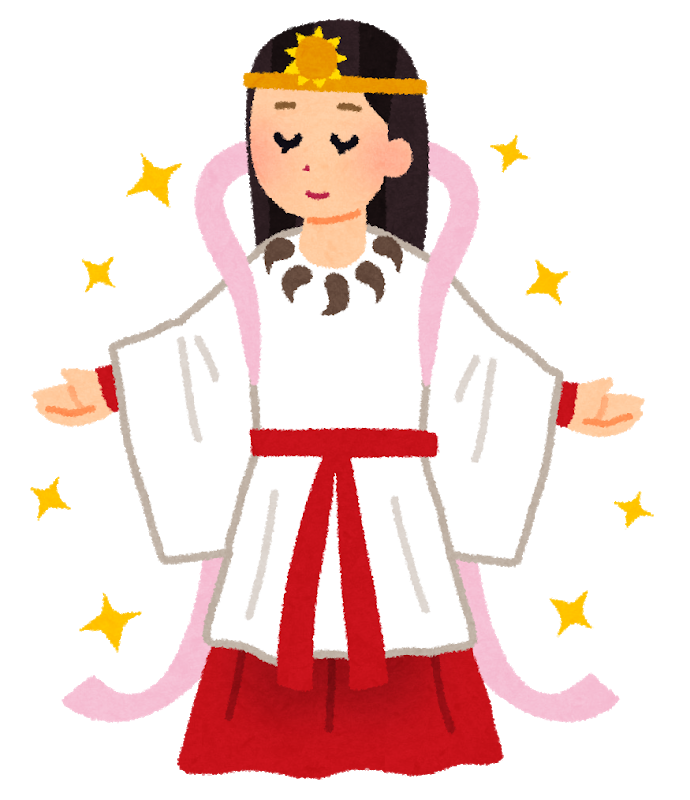
The story goes that once upon a time the sun goddess Amaterasu had a big argument with her brother – and so she went and hid in a cave and sulked! All of the other gods and goddesses – the kami – were worried about her and wanted her to come back outside. So they told a lie to Amaterasu! “There’s a better sun goddess in the heavens – much more beautiful than you are!” they said. That did the trick! Amaterasu came out to see for herself – and light returned to the universe.
[Incidentally the Japanese Emperor was supposed to be a direct descendant from Amaterasu.]
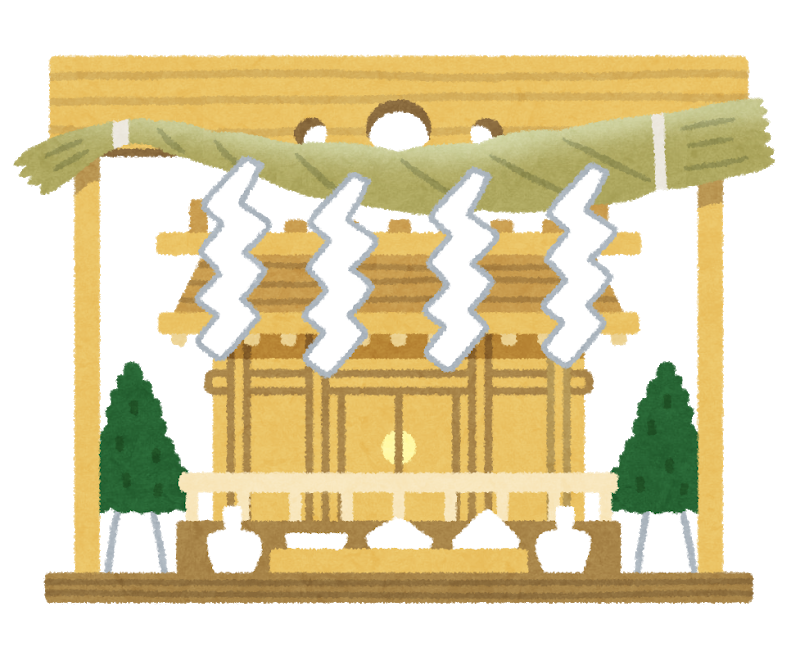
The whole idea of Shinto is that by carrying out rituals – special religious actions – people can connect up to their ancestors and to the ancient past of Japan. That’s why in Shinto there are many gods and many shrines – sacred places to worship them.
What is Buddhism?
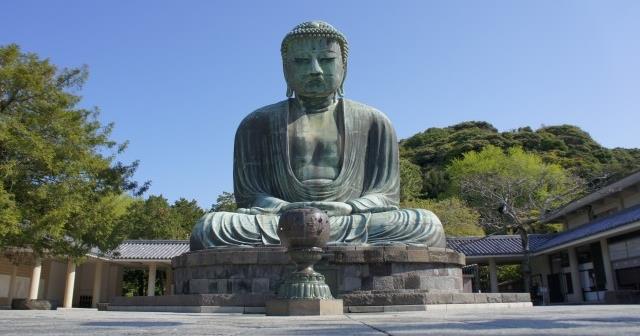
Buddhism is one of the three major religions of the world. It was founded by Buddha Himself in India in the 5th century BC (about 2500 years ago). An estimated 8% (600 million people) of the world’s population are Buddhists.
The Buddhist population of Japan is around 48 million; approximately one in three Japanese nationals are Buddhists. It has been an integral part of Japanese culture since 538 AD, when it was first introduced from China.
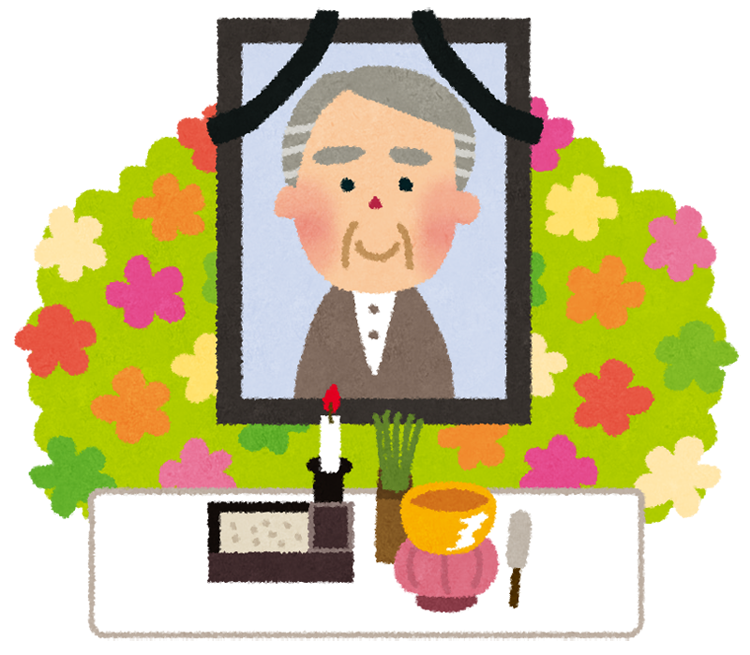
Significantly, we Japanese don’t particularly discriminate between Buddhists and non-Buddhists. This is a reflection of our innate religious toleration. Buddhism transcends religious boundaries and has become part of the fabric of daily life in Japan, with ceremonies such as funerals, Hatsumode (the traditional New Year’s visit to a shrine or temple) and Obon (a festival to honour the dead, held around the mid-August holidays).
Buddhism teaches that suffering can be mitigated through “enlightenment” – which in simple terms means ‘living with peace in your heart’. This might sound easy enough, but the practice is much harder!

Buddha was purported to have been a real person. He was born in Lumbini (now Nepal) in, as we’ve seen, around the 5th century BC (about 2500 years ago). His original name was Gautama Siddhartha – ‘Buddha’ came later! [a Buddha is someone who has attained Bodhi, or wisdom; so Buddha means ‘enlightened one’, a person who ‘knows’]
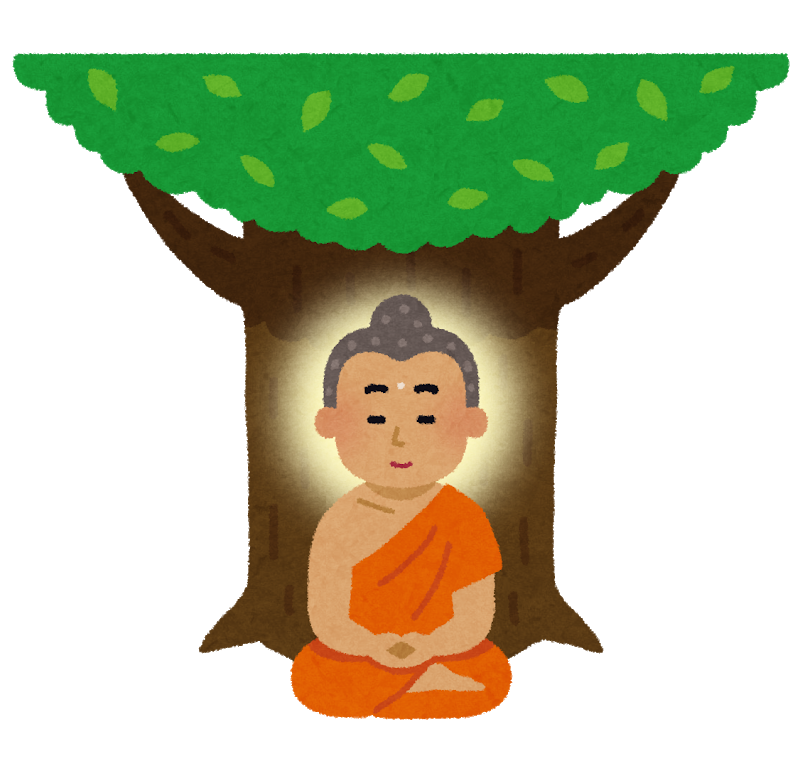
At the age of 29, he abandoned all his material possessions and became a monk. He was acutely aware of the limitations of his training, which he was eager to improve upon. According to tradition, he practiced what we know today as ‘meditation’ (zazen) while sitting under a tree for six days and nights – finally achieving enlightenment at the dawn of the seventh day!
He then preached and proselytized throughout India for the next 45 years – until reaching the ripe old age of 80, an unprecedented period of longevity for those days. Finally, he lay down under a pair of sal trees in Kushinagar and attained nirvana – a state of perfect happiness in which you are united with heaven.

The Buddhist sutras are writings that record the teachings of the Buddha. They are said to number 84,000 – nobody has ever actually counted them all! Of all the many great religions of the world, only Buddhism has such an enormous volume of Scripture!