

Matsuo Basho, one of the most important poets in the entire history of Japan, is also well known overseas for his distinctive ideas and felicitous expressions. He is the master of Haiku, which is unique to Japan and is expressed in words of only seventeen syllables or characters – 5-7-5.
Haiku as a literary genre is very popular with foreigners who are interested in the culture of Japan and want to gain an understanding of the spiritual world of Japanese people.
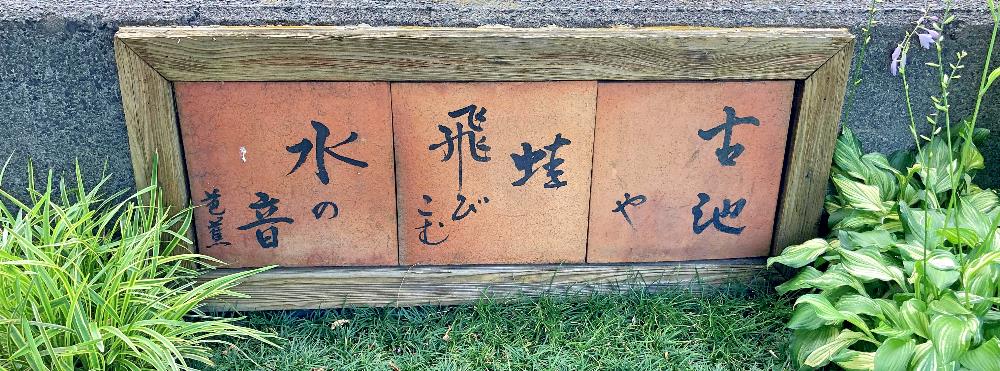
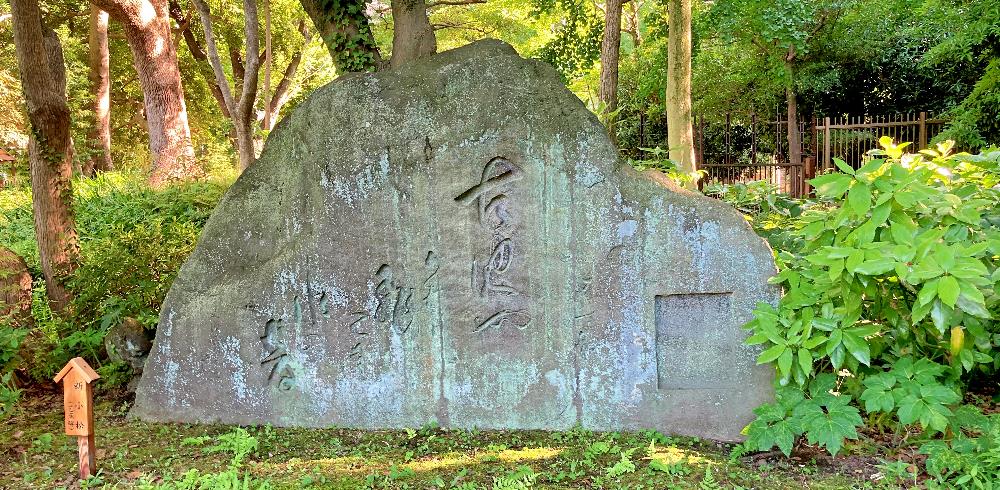
One of Matsuo Basho’s best known haiku is ‘Furu ike ya / kawazu tobikomu / mizu no oto’, (An old silent pond… A frog jumps into the pond –Splash! Then silence again.)’ This has been translated and interpreted in many ways over the years.
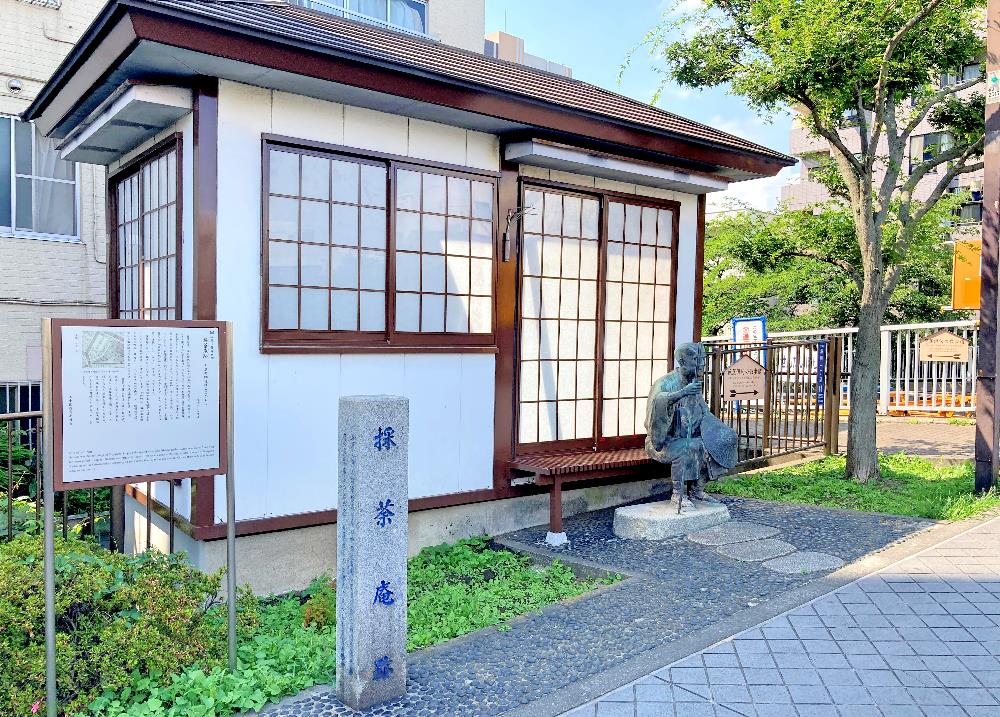
Basho built a private retreat for himself and his disciples right here in Fukagawa, where he developed his haiku style. This was also his starting point when he set out at the age of 45 on his last haiku journey, the Oku no Hosomichi – “The Narrow Road to the Deep North”.
Biography
Matsuo Basho was born in a farmhouse in 1644 and worked as a cook in the kitchens of a rich samurai. But when he was 22, Basho’s beloved master died and he fell into a deep depression; he took solace in the composition of poetry.
By the age of 33, Basho was a fully accredited haiku teacher and had a haiku school of his own in the heart of Edo (now Tokyo). However, like many ‘struggling poets’ he also had to take a ‘day job’ as a clerk in the local waterworks.
Haiku : Japanese seventeen-syllable poem
The type of haiku in favour at that time in Edo was completely different from what Basho was striving to express – the aesthetic of “Wabi-sabi”, the Zen Buddhist concept that life is imperfect, incomplete and impermanent [無常, mujo].
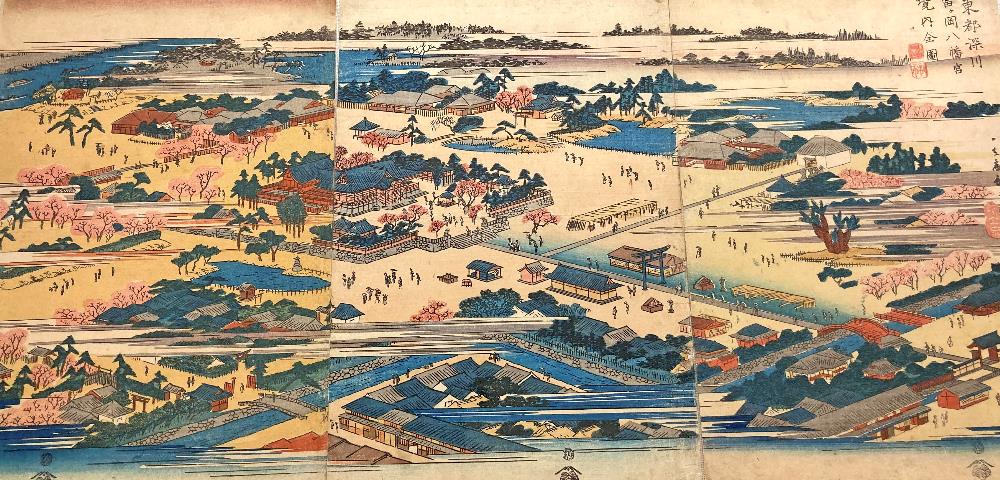
Basho wanted to articulate the beauty of nature and how through it the soul attains salvation in silence. So Basho left the center of Edo, and moved away to the outlying area of Fukagawa; there, he lived with his disciples and concentrated on composing the ‘ideal haiku’.
Travels
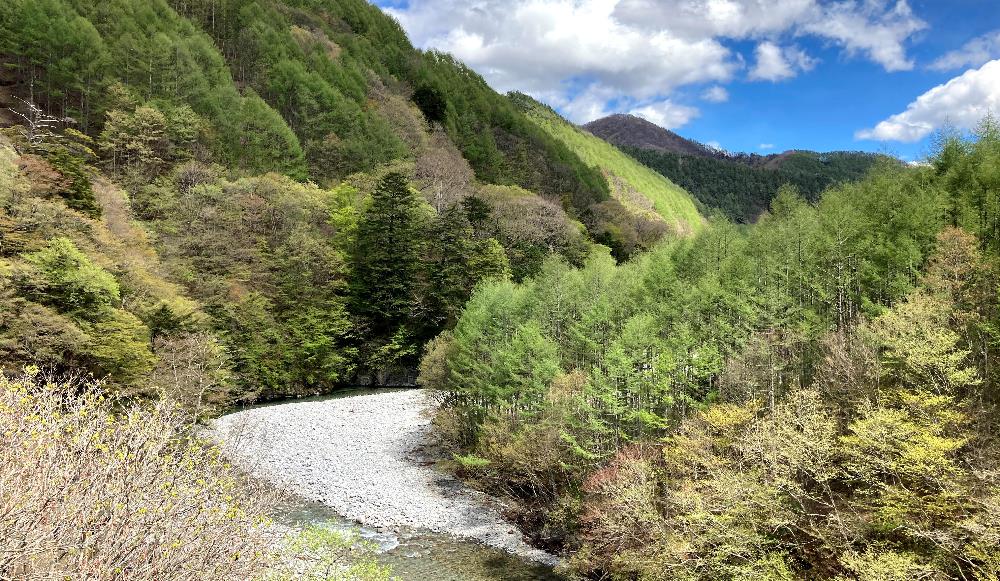
Basho traveled all over Japan on many occasions, and each time he did so he came back with more of his celebrated haiku poems.
Due to this peripatetic lifestyle and also because he came from Iga, popular rumour of the day had it that he was an ‘Iga ninja’!
In 1689, when he was over 45 years old, he set out on his last journey, the “Oku no Hosomichi (The Narrow Road to the Deep North)”; he is said to have walked about 2,400 kilometers over 150 days. This meant that he must have traveled 16 kilometers non-stop every day – a feat of considerable determination, especially considering the road conditions of that time!
Gain your own insight
It is reported that when he died at the age of 50, more than 300 of his followers attended his funeral – surely eloquent testimony to his standing as poet!
Basho is still much appreciated by the Japanese right up to today. His writing combines an incisive wit with deep reverence for nature and a never-ending quest for the true ‘meaning of life’.
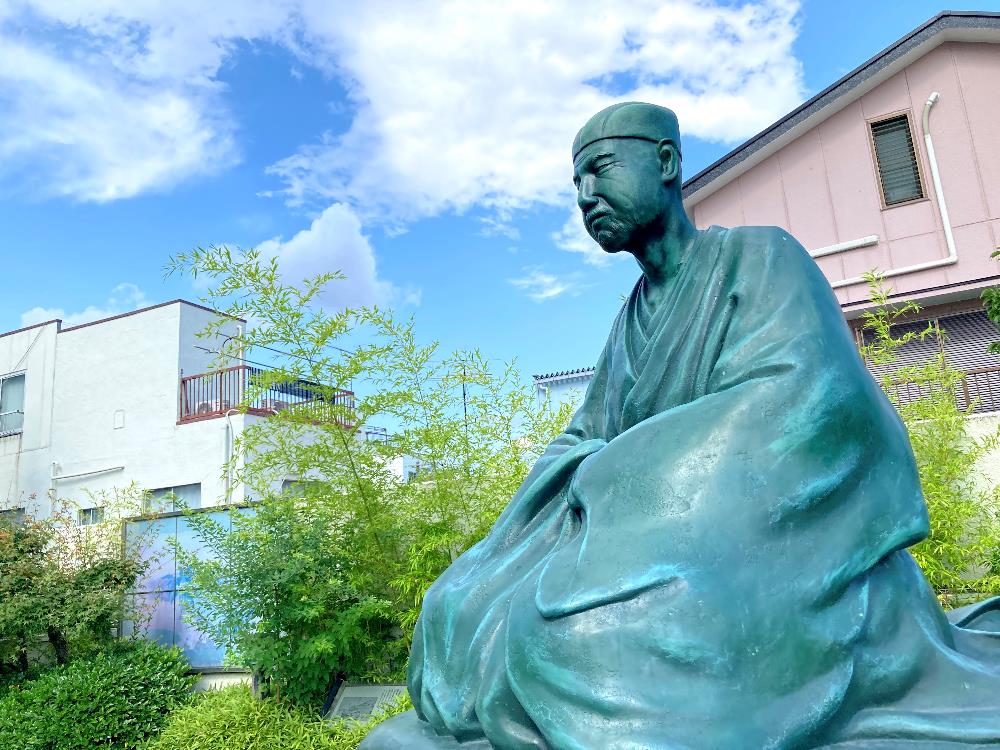
Unfortunately, translating haiku into English is often fraught with difficulty; they can be interpreted in so many different ways – all depending upon the translator! So to gain your own insight into the profound thoughts of Basho, you could do worse than ‘follow in his footsteps’; to help you do so, here’s a selection of some of the many trails that he took. And don’t worry – Japan today is no longer infested with bandits!